
In 2020, patients were grateful that telehealth existed at all. In 2026, they expect it to work like every other modern digital experience in their life: seamless, fast, and available on their phone. The bar has moved from 'can I see a doctor online?' to 'why do I need to download a special app, wait 48 hours for a response, and call someone to refill my prescription?'
This shift is critical for telehealth operators because patient expectations now determine retention, and retention determines whether your unit economics work. The operators who understand and build for these expectations will capture the growing market. The ones still delivering 2020-era patient experiences will churn patients to competitors who don't.
The Consumer App Standard
Patients don't compare your portal to other healthcare portals. They compare it to DoorDash, their banking app, and Amazon. That's the UX standard they live in 16 hours a day, and it's the standard they unconsciously apply to everything, including healthcare.
This means your patient portal is competing not with Epic's MyChart or Healthie's patient view, but with apps built by thousand-person engineering teams optimizing every interaction for speed and clarity. You can't match their budget, but you can match their design principles.
- Instant feedback: Every action should produce an immediate visual response. No loading spinners that last more than 2 seconds.
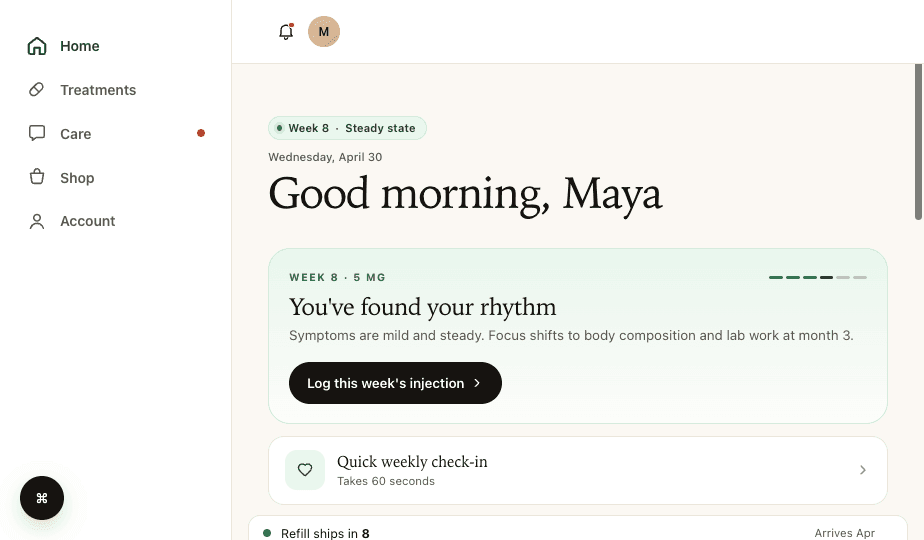
- Status visibility: Patients should always know where things stand without asking. Order status, appointment status, message status, all visible at a glance.
- One-tap actions: Refill a prescription, send a message, schedule an appointment. Each should take one tap, not a form.
- No downloads required: The portal should work perfectly in a mobile browser. Requiring an app download is a friction barrier most patients won't cross.
7 Things Patients Expect From the Telehealth Patient Experience in 2026
1. Self-Scheduling Without Phone Calls
Most patients now prefer online scheduling. They want to pick a time slot from available options, not call a receptionist. The scheduling experience should show real-time provider availability and confirm instantly.
2. Messaging That Feels Like Texting
Patients expect secure messaging that works like iMessage: threaded conversations, typing indicators, read receipts, and push or email notifications for new messages. The 'submit a ticket and wait 72 hours' model is dead. Response time expectations are under 4 hours for non-urgent messages and under 1 hour for urgent ones.
3. Transparent Pricing at Every Step
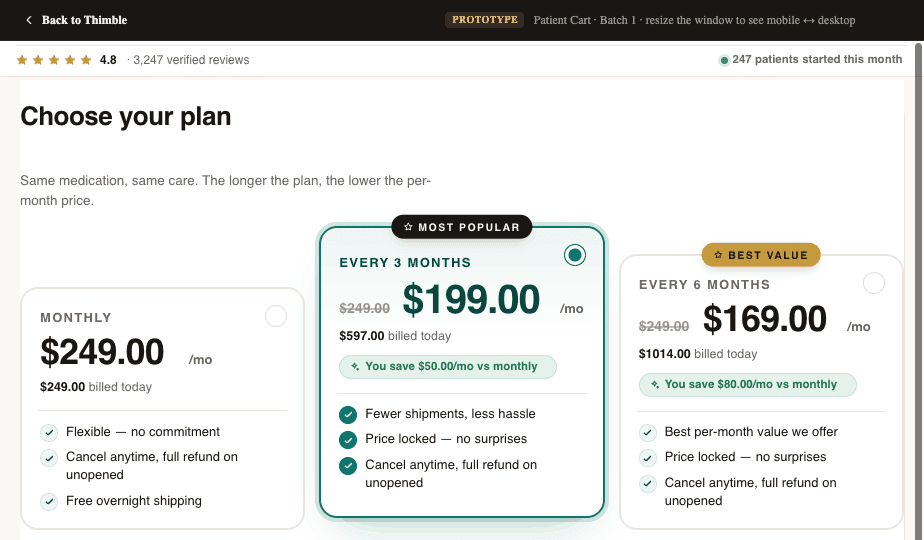
No surprise charges. The portal should clearly show what the patient pays, when they'll be charged, and what's included. Upcoming charges, billing history, and subscription details should be accessible in two taps or fewer.
4. Video Visits Without Downloads
Browser-based video (no Zoom download, no special app) is the baseline expectation. The video visit should start from a link in the portal or a notification, with one click. Patients who have to troubleshoot technical issues before a medical appointment are patients who cancel their next one.
5. Lab Results They Can Actually Understand
Patients want access to lab results, but raw lab values without context are useless (or worse, anxiety-inducing). The best portals present results with clear normal ranges, plain-language explanations, and a note from the care team about what the results mean for their treatment.
6. Easy Prescription and Refill Management
Patients want to see their current medications, request refills with one tap, track shipments, and manage their subscription (pause, skip, change), all without calling or emailing anyone. Every manual step in the refill process is a churn risk.
7. Mobile-First Everything
The majority of telehealth interactions happen on mobile devices. The portal isn't 'also available on mobile.' It IS mobile. Desktop is the secondary experience. Design, test, and optimize for phone screens first.
The Trust Equation
Beyond features, patients in 2026 are more sophisticated about digital trust signals. They're evaluating your telehealth brand the same way they evaluate any online service:
- Can they find real provider credentials and verify licenses?
- Is there a physical business address (not just a PO Box)?
- Are reviews and testimonials from verifiable patients?
- Is the privacy policy clear about how health data is used?
- Does the checkout and portal feel secure (HTTPS, proper domains, professional design)?
- Can they easily contact a real person if something goes wrong?
Trust is cumulative. Every touchpoint either adds to it or subtracts. A beautiful website with a clunky portal undermines the trust the website built. A smooth checkout followed by confusing post-purchase emails does the same. Consistency across every touchpoint is what builds lasting patient trust.
The Bottom Line
Patient expectations in 2026 are shaped by consumer apps, not healthcare incumbents. Speed, clarity, self-service, and mobile-first design are table stakes. The telehealth operators who build for these expectations will see it in their retention numbers. The ones who don't will see it in their churn.
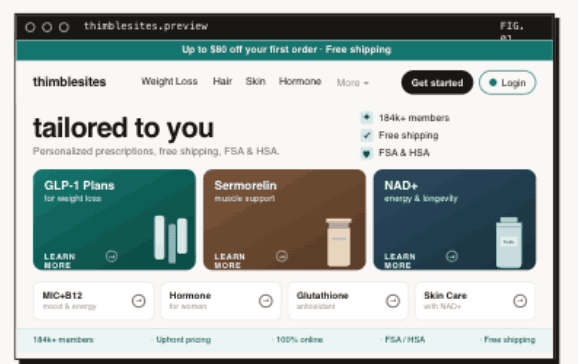
The good news is that meeting these expectations doesn't require building everything from scratch. Purpose-built telehealth infrastructure (modular portals, optimized checkouts, and conversion-focused websites) can deliver consumer-grade experiences without consumer-app engineering budgets.
Frequently Asked Questions
- How fast do patients expect telehealth message responses?
- Under 4 hours for non-urgent messages, under 1 hour for urgent concerns. This is a significant shift from the 24-72 hour turnaround that was acceptable in 2020-2022. Programs with slow response times see measurably higher churn rates.
- Do patients prefer a mobile app or web portal?
- Most patients prefer a web portal they can access from any device without downloading anything. Progressive web app (PWA) technology lets you deliver an app-like experience through the browser, including home screen shortcuts and fast loading. Native apps make sense at very high scale but aren't necessary for most programs.
- What's the most important feature for improving the telehealth patient experience and retention?
- Self-service subscription management: the ability to pause, skip, change plans, and manage refills without contacting support. Programs that force patients to email or call for basic billing changes typically see materially higher churn than those with full self-service portals, based on operator experience.
Building a telehealth brand?
Thimble Hub gives you the checkout, intake, patient portal, and EHR-routing infrastructure so you can launch in weeks, not quarters. Modular, HIPAA-ready, no lock-in.